September 29, 2026
Maintaining a functional home requires paying attention to systems that operate entirely out of sight. Among these hidden utilities, the septic system is one of the most critical for rural and suburban properties that lack connections to municipal sewer lines. While it quietly processes household wastewater every day, neglecting its upkeep can lead to unpleasant odors, expensive structural damage, and health hazards. Investing time into understanding your waste infrastructure protects your family's health and preserves your home equity. Understanding how your system functions and knowing when to schedule routine service ensures your property remains safe and comfortable for years to come.
Understanding How Your Septic System Functions
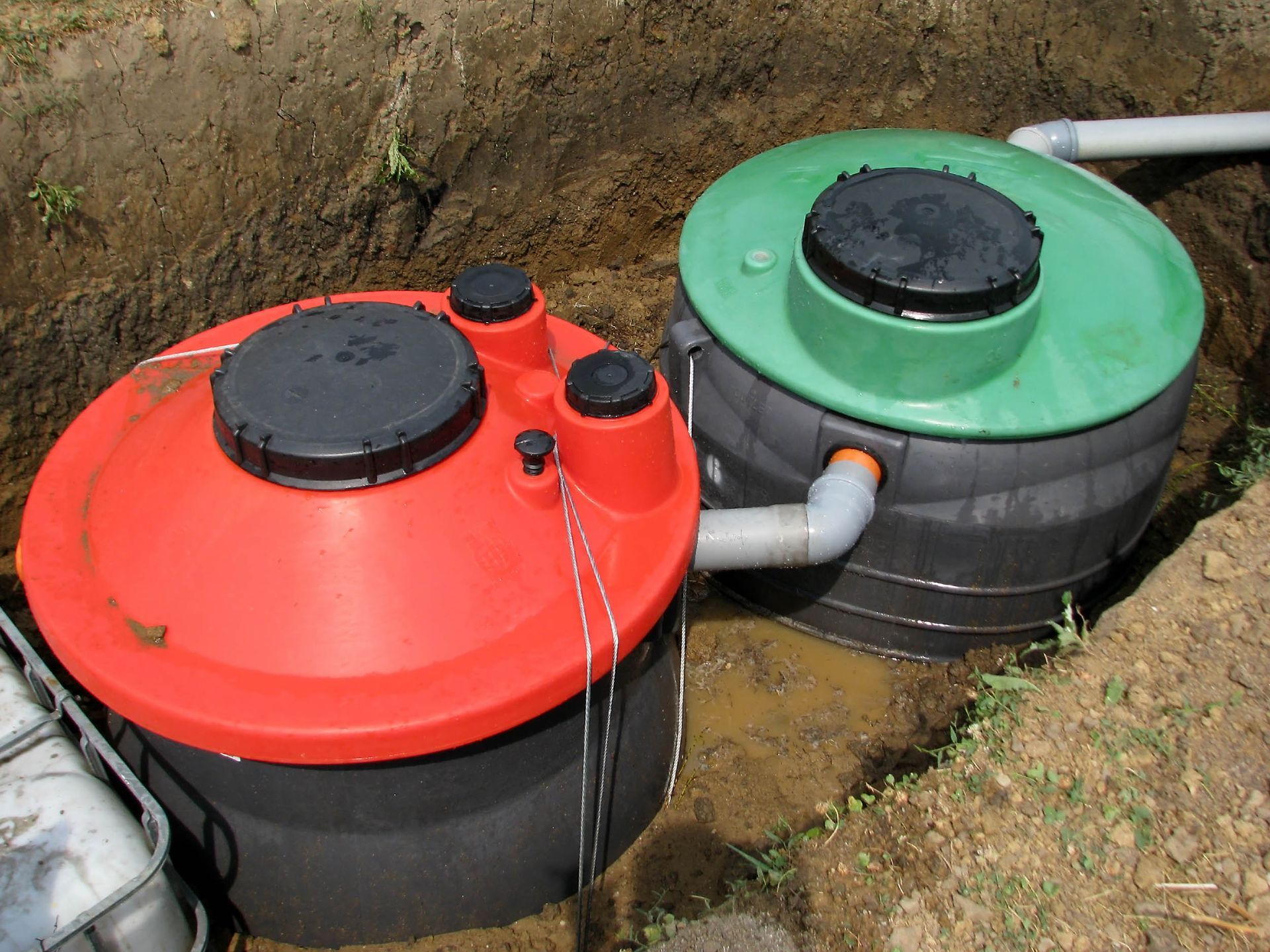
A residential septic system is an underground, watertight treatment structure designed to collect, treat, and dispose of household wastewater. Every time you flush a toilet, run the washing machine, or wash dishes, the drainage flows directly into the main holding tank. Once inside, the wastewater naturally separates into three distinct layers based on density. Solid waste settles at the bottom, forming a dense layer known as sludge. Fats, oils, and grease float to the top to create a floating layer called scum. The liquid sitting in the middle, known as effluent, gradually flows out of the tank into a designated drainfield, where natural soil bacteria filter out remaining contaminants before the water re-enters the groundwater table.
Over time, the accumulation of solid sludge and floating scum reduces the available liquid volume inside the chamber. If these solids are not periodically removed, they will eventually exit the tank along with the liquid effluent, clogging the drainfield pipes and causing severe system failure. Regular maintenance removes these trapped solids before they can cause permanent damage to your surrounding soil and drainage pipes.
Determining Your System Capacity and Cleaning Frequency
A common question among property owners is how often their waste chamber needs to be cleared out. The appropriate maintenance schedule depends primarily on household size, daily water consumption habits, and the overall volume of the holding container. Larger families generate more wastewater and solid buildup, requiring more frequent maintenance than single-occupants or small households.
The actual physical capacity of your subterranean vessel plays a major role in determining service intervals. According to The Spruce, the majority of household septic tanks carry between 1,000 and 1,500 gallons, although volume can range from 750 to 1,750 gallons. A typical household of four living in a home with a standard container generally needs professional pumping every three to five years. Keeping a detailed log of your past service dates makes it much easier to track when your next appointment is due. However, if your household relies on garbage disposals heavily or frequently hosts guests, you may need to arrange local septic tank cleaning more often to prevent premature overflow.
Identifying the Early Signs Your System Needs Service
Waiting for severe backup to occur before calling a professional can lead to catastrophic property damage and costly structural repairs. Fortunately, failing systems usually display clear warning indicators well before total failure occurs. Recognizing these subtle signs allows you to take action before sewage backs up into your living areas or ruins your yard.
Slow-draining sinks, bathtubs, and toilets throughout the home are often the first sign that your holding vessel is reaching maximum capacity. Gurgling noises echoing from your plumbing fixtures when you run water elsewhere in the house also indicate trapped air caused by restricted drainage flow. Outside the home, look for unusually lush, bright green patches of grass growing directly over the tank or drainfield area. This hyper-growth occurs because overflowing liquid effluent acts as a potent fertilizer for lawns. Paying attention to sudden foul odors outdoors can help you catch small system leaks before they spread across your lawn. Additionally, damp soil or standing pools of foul-smelling water near the tank location signal an urgent need for local septic tank cleaning.
Preparing Your Property for Professional Service
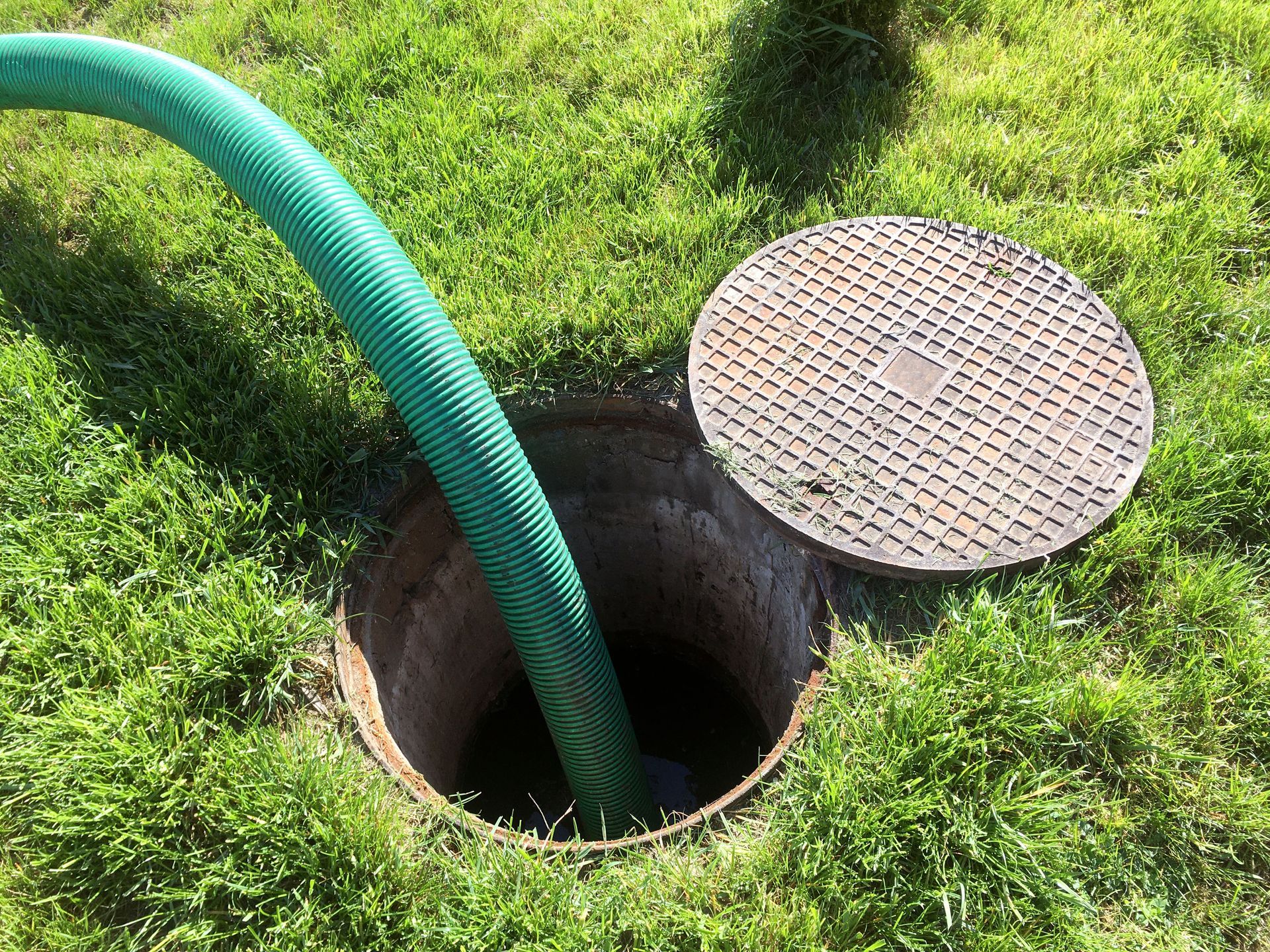
When you schedule a routine service call, taking a few simple preparation steps helps the technicians complete the job quickly and safely. The first step involves ensuring clear physical access to the underground access covers. Over time, grass, soil, mulch, or decorative landscaping elements can obscure the location of the main lids. If you know where your access ports are located, clearing away overgrown vegetation or debris saves valuable time during the appointment.
It is also helpful to make sure the service truck has an unobstructed path to park near the system. Pumper trucks rely on heavy, large-diameter suction hoses, so removing vehicles from driveways and unlocking property gates makes the process much smoother. If you are unsure where your container is buried, locating property maps or previous inspection records will help the service crew locate the lids without excessive digging. Scheduling local septic tank cleaning with an experienced crew ensures the job is performed without damaging your lawn or surrounding garden structures.
Understanding the Step-by-Step Cleaning Process
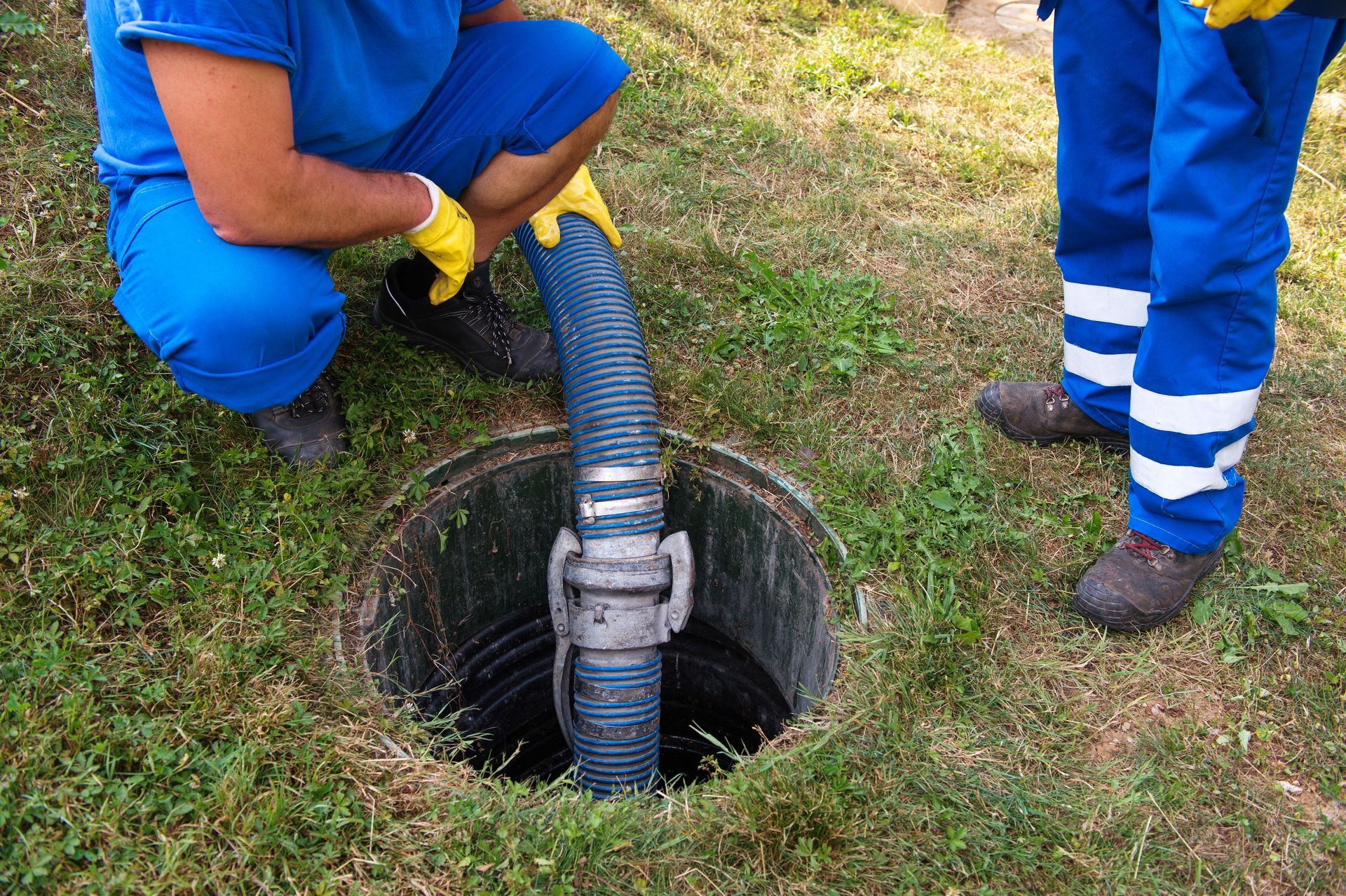
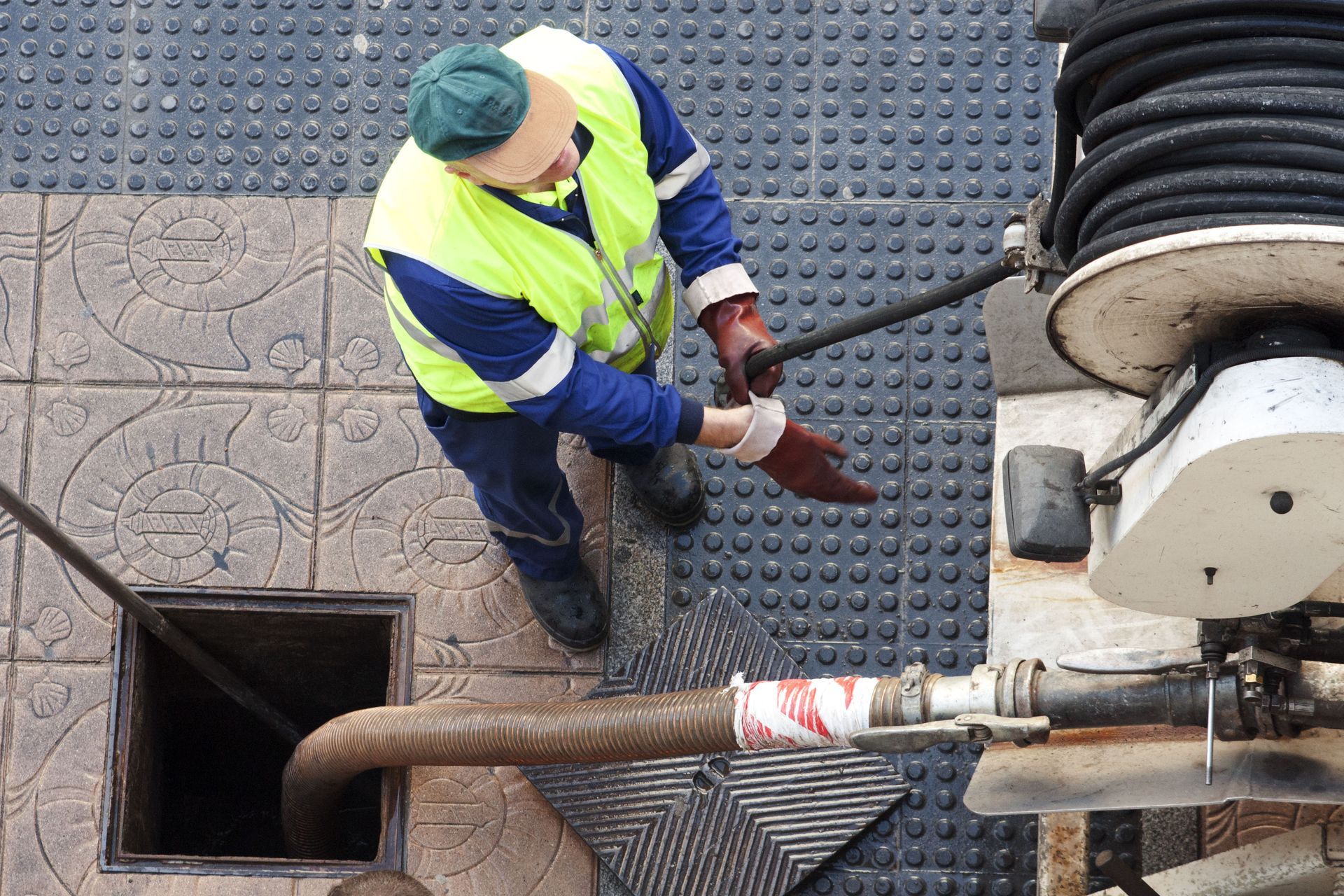
When certified technicians arrive on site, they follow a methodical process designed to thoroughly cleanse the container and inspect its internal components. The crew first removes the heavy access lids and inspects the fluid levels inside to determine if the system is operating normally or experiencing drainage delays. Next, they lower a high-powered vacuum hose directly into the chamber.
The pump truck uses powerful suction to extract all liquid, floating scum, and dense bottom sludge from the vessel. During this process, technicians frequently use specialized tools to break up hardened sludge layers, ensuring that all solid debris is completely removed rather than left behind at the bottom. Once the chamber is empty, the crew washes down the interior walls and carefully inspects the inlet and outlet baffles for cracks, blockages, or physical wear. Hiring a reputable provider for local septic tank cleaning guarantees that both the cleaning and structural inspection steps are completed to industry safety standards.
Protecting Your System Between Professional Services
While professional pumping is necessary every few years, daily household habits dictate how well your system performs between service visits. What you put down your drains directly impacts the biological health of the system and the speed at which solid sludge accumulates. Being mindful of household waste habits extends the functional lifespan of your plumbing and protects your pocketbook.
To protect your system, never flush non-biodegradable items like baby wipes, facial tissues, paper towels, or feminine hygiene products down the toilet, as these materials do not break down in water and rapidly clog holding chambers. Avoid pouring cooking fats, oils, and heavy greases down the kitchen sink, as they solidify inside the tank and block drainage lines. Furthermore, limit the use of harsh chemical drain openers, heavy bleach, and antibacterial cleaners, which kill the beneficial bacteria needed to break down organic waste naturally. Conserving water by fixing leaky faucets and running full loads of laundry also prevents hydraulic overload, keeping your system operating smoothly until your next local septic tank cleaning.
Investing in the Long-Term Health of Your Home
Maintaining a healthy wastewater system is an essential responsibility for any property owner not connected to a municipal sewer grid. By understanding the mechanical function of your underground chamber, monitoring daily water usage, and watching for early warning signs of distress, you can prevent unexpected plumbing emergencies and protect your home value. Regular preventative care significantly reduces the likelihood of needing emergency service calls during severe weather events. Working with a dependable company for local septic tank cleaning gives you peace of mind knowing that your wastewater infrastructure is clean, structurally sound, and ready to serve your household reliably for decades to come. Taking a proactive approach to routine maintenance is always far more affordable than dealing with emergency sewage cleanup or complete drainfield replacements. For dependable care, detailed inspections, and professional system maintenance, contact the experienced team at Joey Ridgle Septic & Sanitation, LLC today to schedule your next service call.