October 29, 2026
A properly maintained septic system is essential for managing household wastewater safely and efficiently. For homeowners who rely on septic systems instead of municipal sewer services, routine maintenance helps prevent unpleasant odors, plumbing problems, environmental contamination, and expensive repairs. One of the most important maintenance tasks is septic tank cleaning, which removes accumulated sludge and scum before they interfere with the system's performance.
Understanding how septic tanks work, when they need attention, and which cleaning methods professionals use can help homeowners protect their properties and avoid unexpected problems. Although septic systems are designed to handle wastewater over many years, they require regular care to function reliably. This guide explores the importance of septic tank maintenance, recommended cleaning schedules, warning signs to watch for, and tips for choosing a qualified service provider.
What Is Septic Tank Cleaning and Why Is It Important?
Septic tank cleaning is the process of removing accumulated solids, sludge, and scum from a septic tank, typically through professional pumping. A septic system receives wastewater from household plumbing, separates solids from liquids, and allows partially treated wastewater to flow into a drain field for further treatment by the soil.
Over time, heavier solids settle at the bottom of the tank, while grease and other lighter materials form a floating layer near the surface. Although bacteria break down some of the organic material, they cannot eliminate all accumulated waste. Without periodic pumping, these layers can become excessive and interfere with the tank's ability to separate solids effectively.
When a tank becomes overloaded, solid material may enter the drain field, potentially clogging the soil and reducing its ability to absorb wastewater. Drain field damage can be particularly costly because repairs may involve extensive excavation or system replacement.
The broader septic services industry also reflects the importance of ongoing maintenance. According to Coherent Market Insights, the septic solutions market encompasses pumping, maintenance, installation, and repair services and is projected to reach $11.3 billion by 2032. This growth projection highlights the continuing demand for services that help residential and commercial properties manage wastewater effectively.
How Often Should You Clean Your Septic Tank?
The ideal cleaning schedule depends on several factors, including tank capacity, household size, daily water consumption, and the amount of solid waste entering the system. As a general guideline, the U.S. Environmental Protection Agency recommends having a septic system inspected at least every three years and having household septic tanks typically pumped every three to five years. Some systems require more frequent attention.
For example, a small tank serving a large family may fill with solids faster than a larger tank serving one or two people. Households that frequently use garbage disposals may also accumulate solids more quickly because additional food waste enters the system. Heavy water usage can place extra demands on the tank and drain field, making responsible water management important.
Regular inspections help determine whether septic tank cleaning is necessary before the usual pumping interval has passed. A professional can measure the sludge and scum layers, assess the tank's condition, and recommend an appropriate schedule based on actual conditions rather than guesswork.
What Methods Are Used for Septic Tank Cleaning?
Professional service providers use several methods to maintain septic tanks, depending on the system's design, condition, and accumulated waste. The most appropriate approach removes excess solids while protecting the tank and its surrounding components.
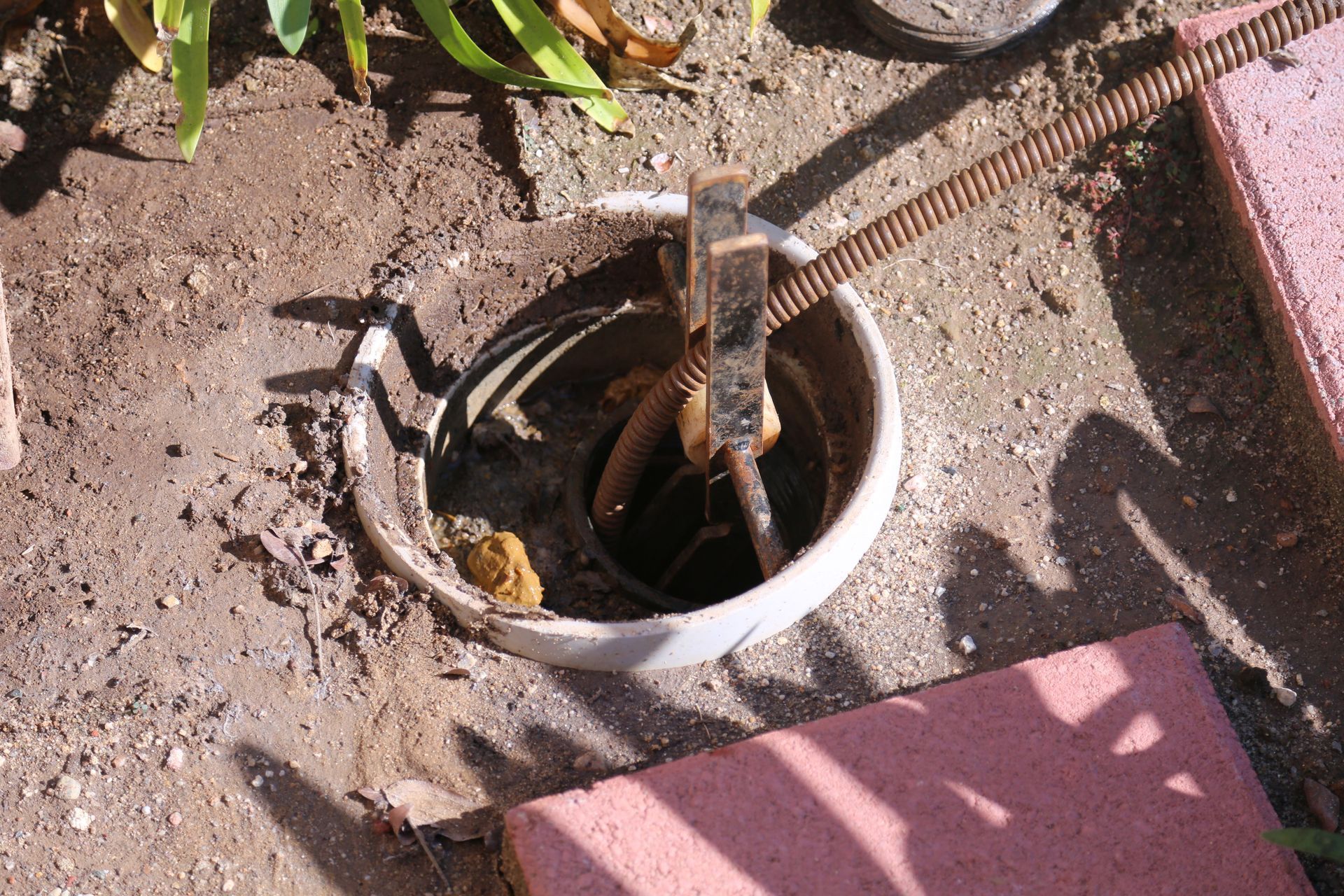
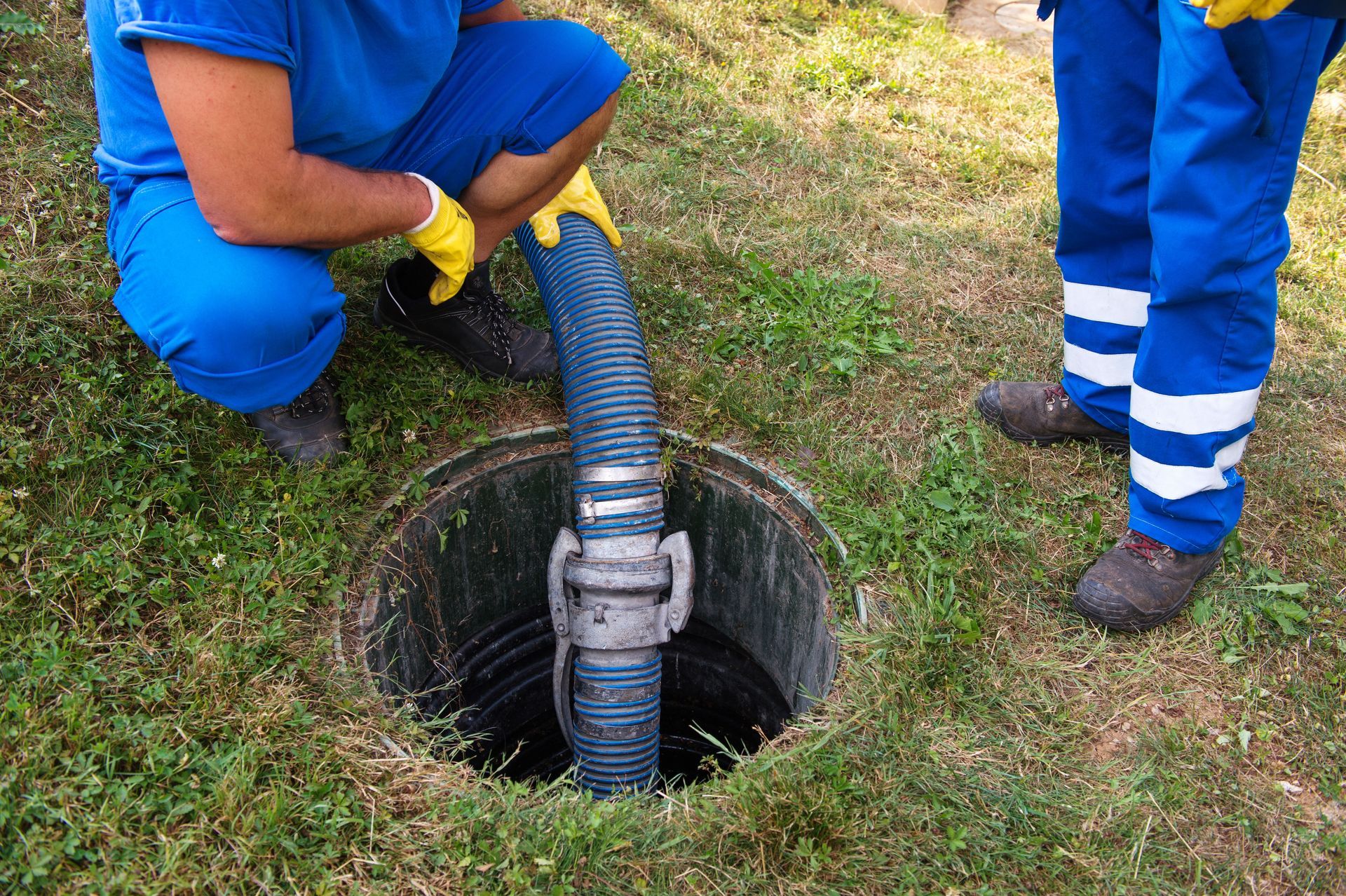
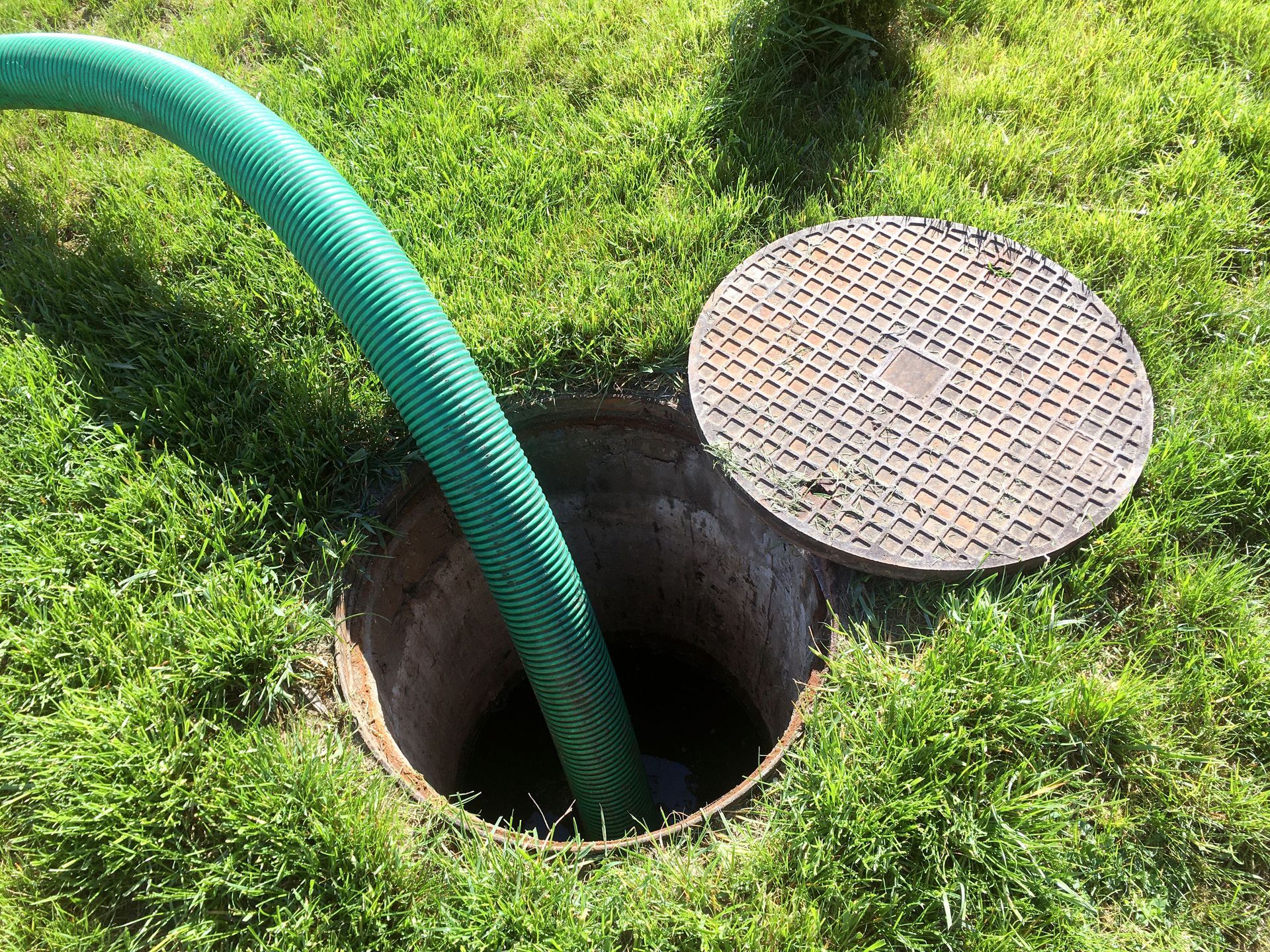
Pumping is the most common method. A technician accesses the tank through its designated opening and uses specialized vacuum equipment to remove accumulated sludge, scum, and wastewater as needed. The collected waste is transported to an authorized treatment or disposal facility. During the visit, the technician may also inspect the tank for visible damage, leaks, and other potential concerns.
In some cases, additional cleaning or maintenance procedures may be necessary. Technicians can examine inlet and outlet baffles, inspect accessible pipes, and check effluent filters for blockages. If an effluent filter is clogged, cleaning it according to the manufacturer's instructions can help restore proper wastewater flow. Damaged components may require repair or replacement rather than additional pumping alone.
Hydro-jetting, which uses pressurized water to clear certain pipes, may also be appropriate when a professional identifies a blockage. However, it is not a substitute for routine pumping and should only be used when suitable for the affected component. Applying excessive pressure or using the wrong technique can damage parts of a septic system.
Homeowners should understand that
septic tank cleaning does not necessarily mean completely disinfecting the tank or eliminating all bacteria. Beneficial microorganisms contribute to the system's biological processes, and routine pumping is intended to remove accumulated solids.
What Are the Signs You Need to Clean Your Septic Tank?
Septic systems often provide warning signs when maintenance is overdue or a component is malfunctioning. Recognizing these symptoms early can help homeowners arrange an inspection before a minor concern becomes a major repair.
One common warning sign is slow drainage throughout the home. If multiple sinks, showers, or toilets drain slowly, the problem may involve the septic system rather than an isolated plumbing clog. Gurgling sounds in pipes and frequent sewage backups can also indicate trouble that requires prompt professional evaluation.
Unpleasant odors around the tank or drain field are another reason to investigate. Although a septic system naturally produces gases, persistent sewage smells outdoors or inside the house may indicate a leak, blockage, ventilation issue, or other malfunction.
Homeowners should also look for unusually wet ground, standing water, or patches of bright green grass over the tank or drain field. These conditions can suggest that wastewater is surfacing instead of being properly absorbed and treated. They do not automatically mean the tank needs pumping, but they warrant a professional assessment.
How Can You Choose a Professional Septic Tank Cleaning Service?
Selecting an experienced service provider helps ensure that maintenance is performed safely and that potential problems receive appropriate attention. Homeowners should begin by checking whether the company has the licenses, permits, or certifications required by their state and local authorities. Requirements vary by location, so verifying local regulations is important.
Experience is another consideration. Ask whether the company regularly services systems similar to yours and whether its technicians perform inspections alongside pumping. A provider who evaluates the tank's condition can offer more useful recommendations than one who focuses exclusively on removing wastewater.
Transparent pricing also matters. Request a written estimate that explains what the service includes, such as pumping, inspection, filter maintenance, and waste disposal. Ask about additional charges for difficult access, unusually large tanks, or repairs. Comparing estimates can help you understand the value offered without automatically choosing the lowest price.
Reliable providers should also explain their findings in straightforward language. Ask for documentation of the work performed, the condition of important components, and recommendations for future maintenance. Keeping these records makes it easier to schedule subsequent appointments and track changes over time.
Finally, look for appropriate insurance coverage, positive customer feedback, and clear communication.
Maintaining a septic system does not have to be complicated, but it does require consistent attention. Understanding how tanks function, following an appropriate pumping schedule, recognizing warning signs, and hiring qualified professionals can help homeowners protect their properties and avoid expensive repairs.
By keeping accurate service records and addressing concerns early, homeowners can improve system reliability and support a healthier environment. A proactive maintenance routine is a practical investment in the long-term performance of a septic system. If you're looking for septic cleaning, reach out to Joey Ridgle Septic & Sanitation, LLC today!