November 5, 2026
A household’s daily routine has a direct effect on how quickly a septic tank fills with wastewater, sludge, and scum. When more people live in a home, the system generally handles more water and waste, which can increase the need for maintenance. Understanding how household size affects your septic tank cleaning schedule can help you avoid backups, protect your drainfield, and prevent expensive repairs. By considering your family’s needs and your tank’s capacity, you can develop a maintenance plan that supports reliable system performance.
Understanding How Household Size Affects Septic Systems
A septic system collects and treats wastewater from toilets, sinks, showers, washing machines, and other household drains. Inside the tank, solid waste settles to the bottom as sludge, while grease and lighter materials rise to form a scum layer. The remaining wastewater flows toward the drainfield for further treatment.
As more people use the system, wastewater and solid waste enter the tank more frequently. This increased activity can cause sludge and scum to accumulate faster, leaving less room for wastewater and reducing the tank’s ability to separate solids effectively.
Household size is an important consideration when planning septic tank cleaning, but it is not the only factor. Tank capacity, water consumption, garbage disposal use, and the amount of solid waste entering the system all influence how often maintenance is needed. A larger household with a properly sized tank may have different needs than a smaller household using a tank with limited capacity.
Comparing Cleaning Needs for Small and Large Households
The number of people living in a home provides a useful starting point for estimating how frequently a septic tank needs attention. However, every system should be evaluated according to its design, condition, and usage.
- One or Two People: Smaller households often generate less wastewater and solid waste, which may allow more time between pump-outs. However, homeowners should still follow inspection recommendations and avoid assuming that a tank can go indefinitely without service.
- Three or Four People: Average-sized households typically produce a steady flow of wastewater from daily activities such as bathing, cooking, laundry, and toilet use. Regular inspections can help determine whether the existing maintenance schedule remains appropriate.
- Five or More People: Larger households often place greater demands on their septic systems. More frequent laundry loads, showers, toilet flushes, and kitchen activities can increase the amount of wastewater and solids entering the tank, potentially requiring more frequent pumping.
These categories are general guidelines rather than fixed schedules. A septic professional can assess the tank’s capacity and the amount of accumulated sludge and scum to recommend an appropriate service interval. Scheduling septic tank cleaning based on these factors helps households maintain efficient wastewater treatment and reduce the likelihood of unexpected system problems.
Recognizing How Daily Habits Change Maintenance Needs
Two households with the same number of occupants may require different maintenance schedules because their water usage and waste disposal habits differ. A family that spreads laundry throughout the week may place less strain on its system at any one time than a household that runs several loads in a single day.
Water conservation and responsible waste disposal can help reduce unnecessary stress on a septic system. Consider these practical habits:
- Repair leaking faucets and running toilets to reduce excess water entering the tank.
- Spread laundry loads throughout the week rather than running multiple loads consecutively.
- Avoid using the garbage disposal excessively, since food particles contribute additional solids.
- Flush only human waste and toilet paper, keeping wipes, paper towels, and other unsuitable materials out of the system.
- Avoid pouring grease, oils, and harsh chemicals down household drains.
These practices do not eliminate the need for professional maintenance, but they can help a septic system function more effectively. Households that use large amounts of water or send significant quantities of solids into the tank may need more frequent septic tank cleaning, even if their household size is relatively small.
Following Recommended Inspection and Pumping Intervals
Establishing a maintenance schedule helps homeowners identify developing problems before they become major concerns. According to the United States Environmental Protection Agency, the average household should have its septic system professionally inspected at least once every three years. Pumping is generally recommended every three to five years, although household size, tank capacity, water usage, and accumulated solids can require a different schedule.
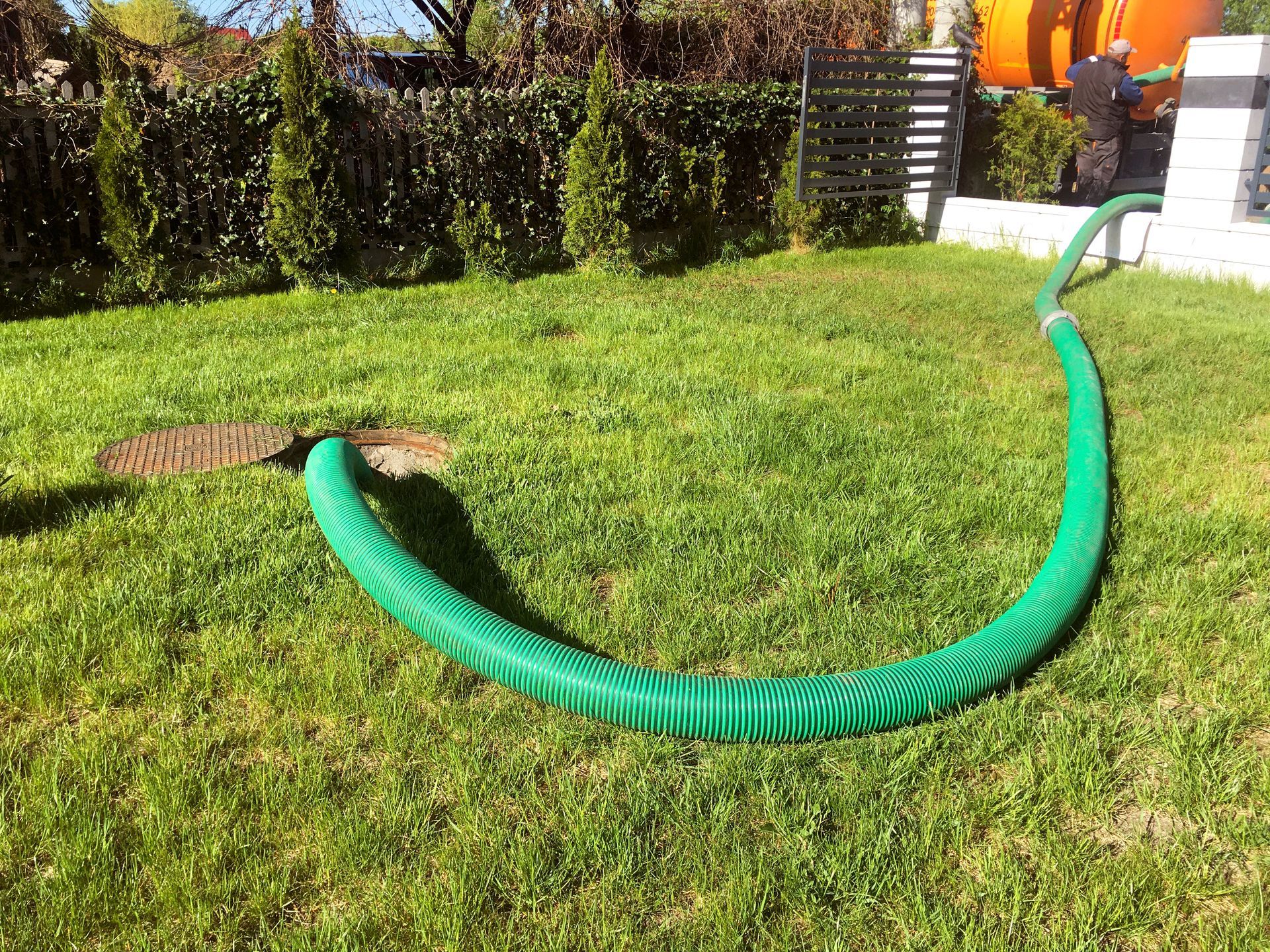
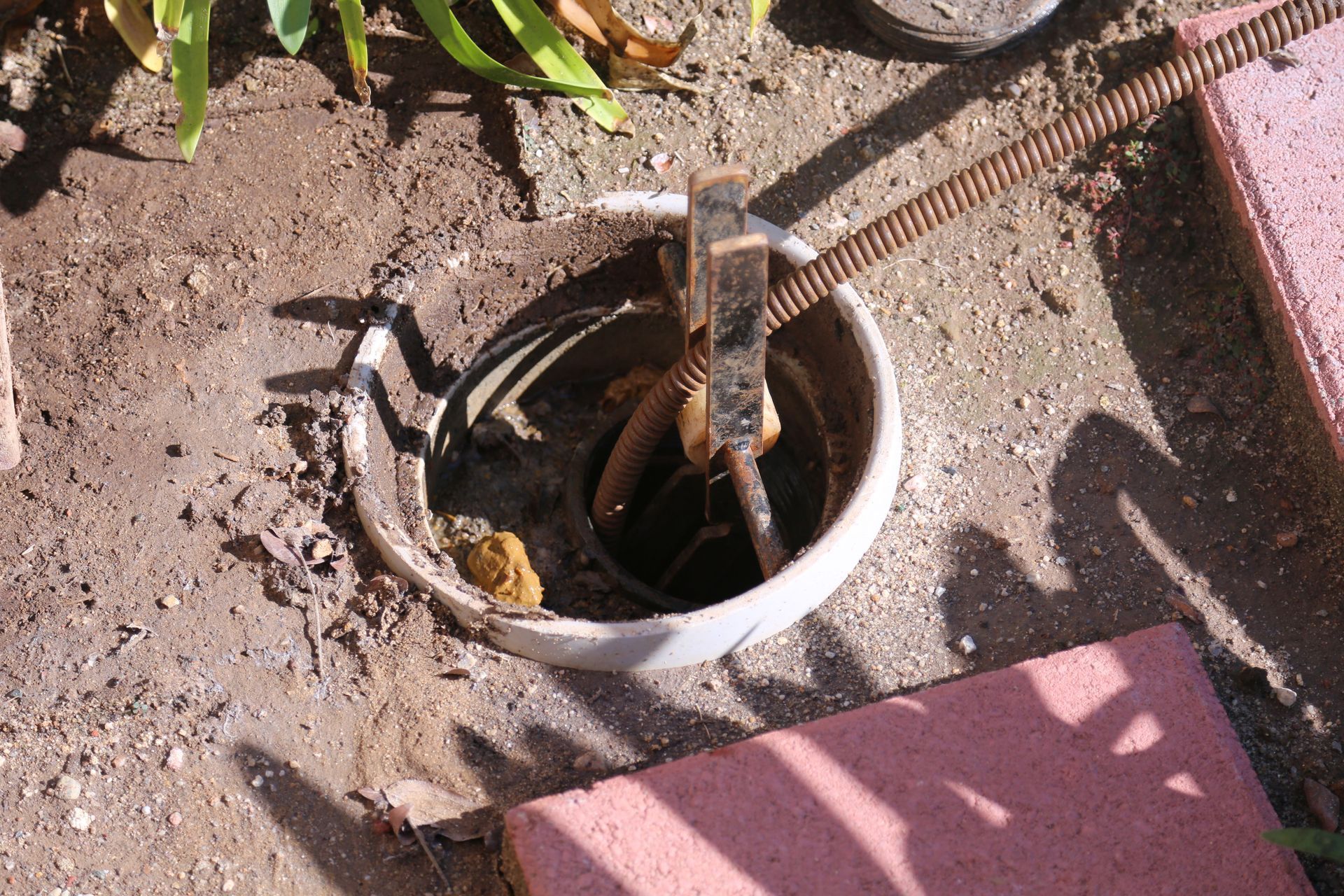
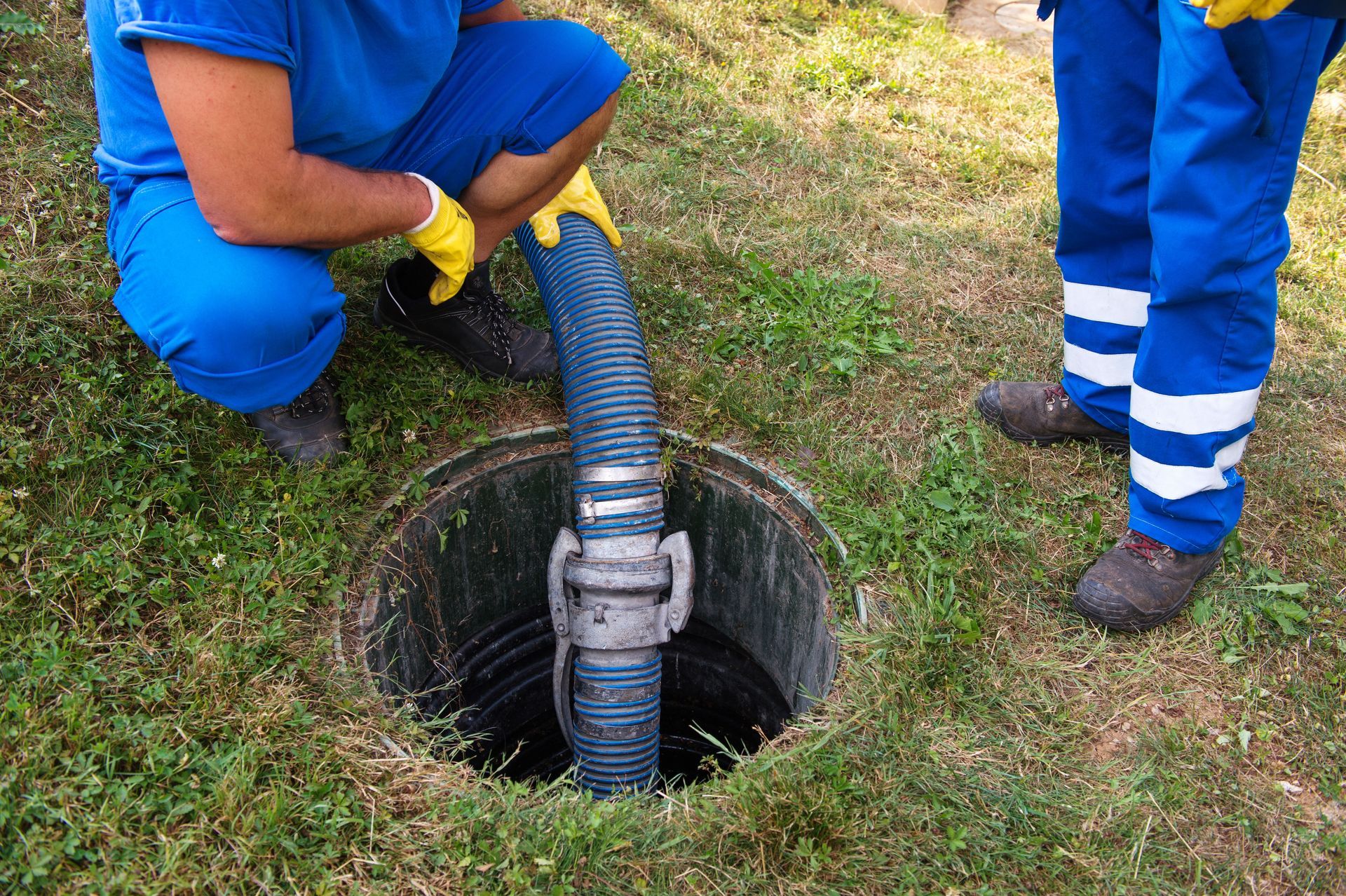
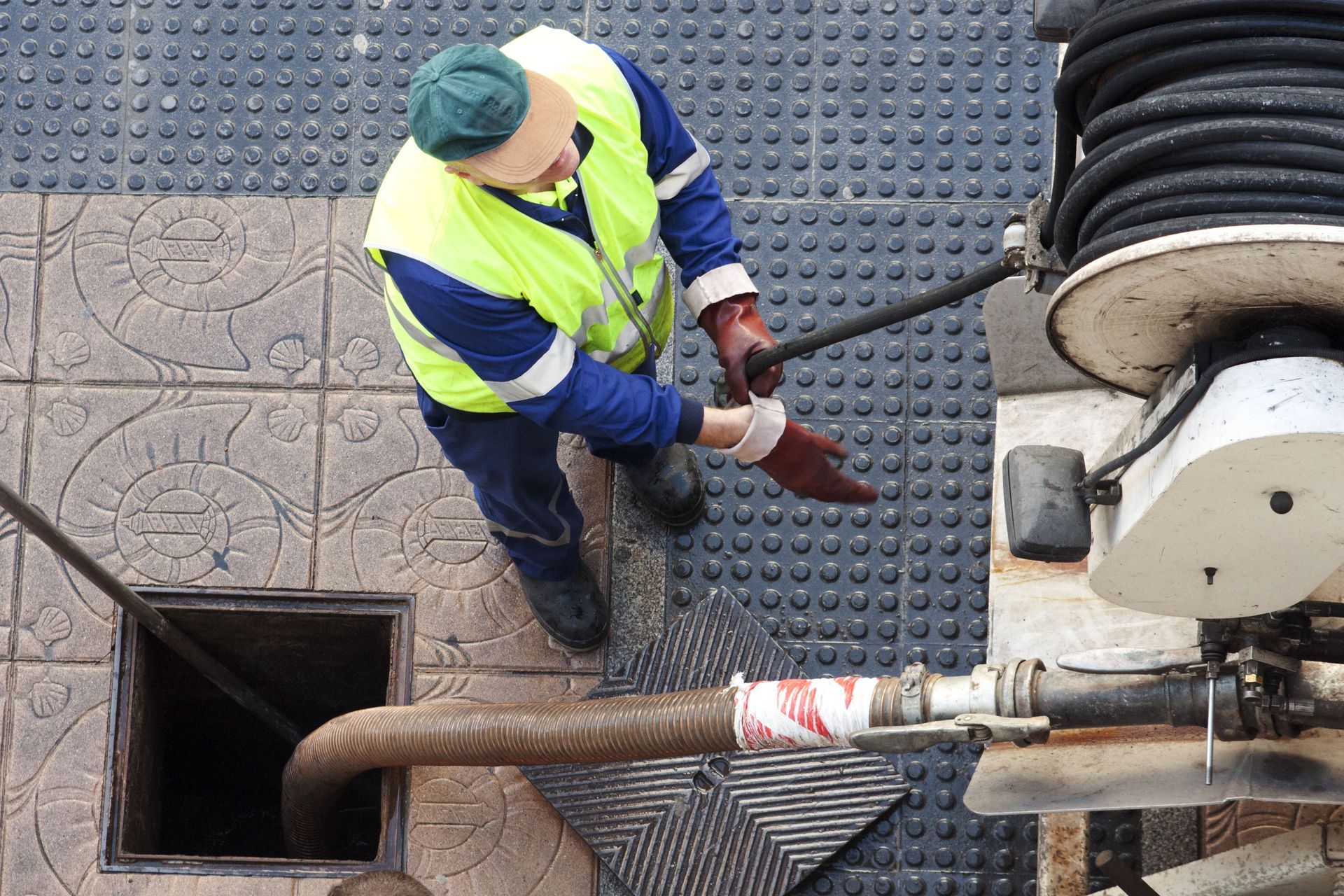
Inspections and pumping serve different purposes. During an inspection, a professional can evaluate the system’s condition, look for signs of damage, and assess sludge and scum levels. Pumping removes accumulated solids that cannot be eliminated through normal wastewater treatment.
Homeowners should maintain records of previous inspections, pump-outs, and repairs. These records make it easier to recognize changes in maintenance needs, especially when the number of people living in the home changes.
For example, a household that welcomes additional family members or begins hosting frequent overnight guests may experience a noticeable increase in water use. Reviewing the maintenance schedule after these changes can help determine whether an earlier inspection or pump-out is appropriate. Regular septic tank cleaning helps remove accumulated waste before it interferes with system performance and reduces the risk of unexpected plumbing problems.
Identifying Warning Signs of a Full or Failing Tank
Even with regular maintenance, homeowners should watch for signs that their septic system needs attention. A tank may require service sooner than expected if solids accumulate quickly or the system develops a problem.
Common warning signs include:
- Slow-draining sinks, showers, or bathtubs throughout the home.
- Gurgling sounds coming from drains or toilets.
- Persistent sewage odors inside the home or around the septic system.
- Unusually wet ground or standing water near the tank or drainfield.
- Sewage is backing up into toilets, tubs, or other household fixtures.
These symptoms do not always mean the tank is full. Clogs, damaged components, or drainfield problems can cause similar issues. A qualified septic professional can identify the source and determine whether pumping, cleaning, or repairs are necessary.
Do not wait for sewage to back up before arranging service. Prompt attention can help limit property damage, reduce health risks, and prevent a manageable problem from becoming a costly system failure.
Maintaining a Schedule That Fits Your Household
The most effective maintenance plan accounts for both the number of occupants and the system's use. Homeowners should review their schedule when a household grows, children become older, relatives move in, or water-intensive routines change.
Keep a record of service dates, inspection findings, and any recommendations provided by your septic professional. If the tank repeatedly fills with solids sooner than expected, ask whether its capacity is appropriate for the household’s needs.
Avoid relying exclusively on a standard calendar interval or waiting for visible warning signs. Regular inspections help establish a clearer picture of the system’s condition, while professional pumping removes the solids that gradually accumulate over time. Following a personalized septic tank cleaning schedule can help protect your investment and support the long-term performance of your wastewater system.
Protecting Your Septic System for the Long Term
Household size plays an important role in determining how often a septic tank needs maintenance, but water use, tank capacity, and waste disposal habits also affect the schedule. Smaller households may generate less waste, while larger families often place greater demands on the system. Routine inspections, responsible daily habits, and timely septic tank cleaning can help prevent backups and extend the life of your septic system. Adjusting maintenance as your household changes helps keep your system operating efficiently. For professional maintenance and dependable septic care, contact Joey Ridgle Septic & Sanitation, LLC to discuss a schedule suited to your household’s needs.