June 15, 2026
For many homeowners in rural and suburban areas, a septic system is an important part of daily life. Although it operates out of sight, it plays a critical role in managing wastewater safely and efficiently while helping prevent sanitation and environmental issues.
While most people know a septic system handles household wastewater, fewer understand the installation process. Learning how septic tank installations are completed can help homeowners make informed decisions and better appreciate the long-term value these systems provide.
Understanding Septic System Functioning
A septic system is a private wastewater treatment solution designed for properties that are not connected to a municipal sewer line. Wastewater from sinks, showers, washing machines, and toilets flows into a septic tank, where solids separate from liquids. Naturally occurring bacteria inside the tank help break down waste materials, reducing the amount of solid buildup over time.
Once this initial treatment process occurs, the liquid wastewater moves to a drain field where the surrounding soil provides additional filtration. This combination of natural and engineered treatment helps ensure wastewater is processed safely before returning to the environment. When properly designed and maintained, septic systems provide reliable and efficient wastewater management for decades.
Understanding how a septic system works helps homeowners appreciate the importance of professional tank installations. Every component must work together correctly to ensure the system remains effective, environmentally responsible, and capable of handling the household's daily water usage.
Evaluating Property Conditions
Before any installation work begins, a thorough property evaluation must take place. This step is one of the most important parts of the process because every property has unique characteristics that influence system design and placement. Soil composition, drainage capabilities, lot size, slope, and proximity to water sources are all carefully assessed.
Professionals conduct soil tests to determine how quickly water can move through the ground. If soil drains too slowly, wastewater may not disperse properly. If it drains too quickly, contaminants may not receive adequate filtration before entering groundwater. Understanding these conditions allows installers to determine the most appropriate system design for the site.
Property evaluations also help identify potential obstacles before construction begins. By addressing concerns early, homeowners can avoid delays, unexpected costs, and future performance issues. Successful septic tank installations start with careful planning, and site evaluation serves as the foundation for the entire project.
Selecting Appropriate System Designs
Once the site has been evaluated, professionals can recommend the most suitable septic system design. There is no one-size-fits-all solution because every property and household has different needs. Factors such as the number of occupants, expected water usage, available land, and soil conditions all influence the final design.
Conventional septic systems remain one of the most common options because they are effective and cost-efficient for many properties. However, alternative systems may be recommended when soil conditions or site limitations make traditional designs impractical. Depending on the situation, homeowners may benefit from advanced treatment systems, pressure distribution systems, or other specialized solutions.
Selecting the right design is crucial because it directly impacts performance, efficiency, and longevity. Properly planned septic tank installations are better equipped to handle daily household demands while minimizing maintenance concerns. Taking the time to choose the right system helps ensure dependable operation for years to come.
Completing Excavating and Preparing
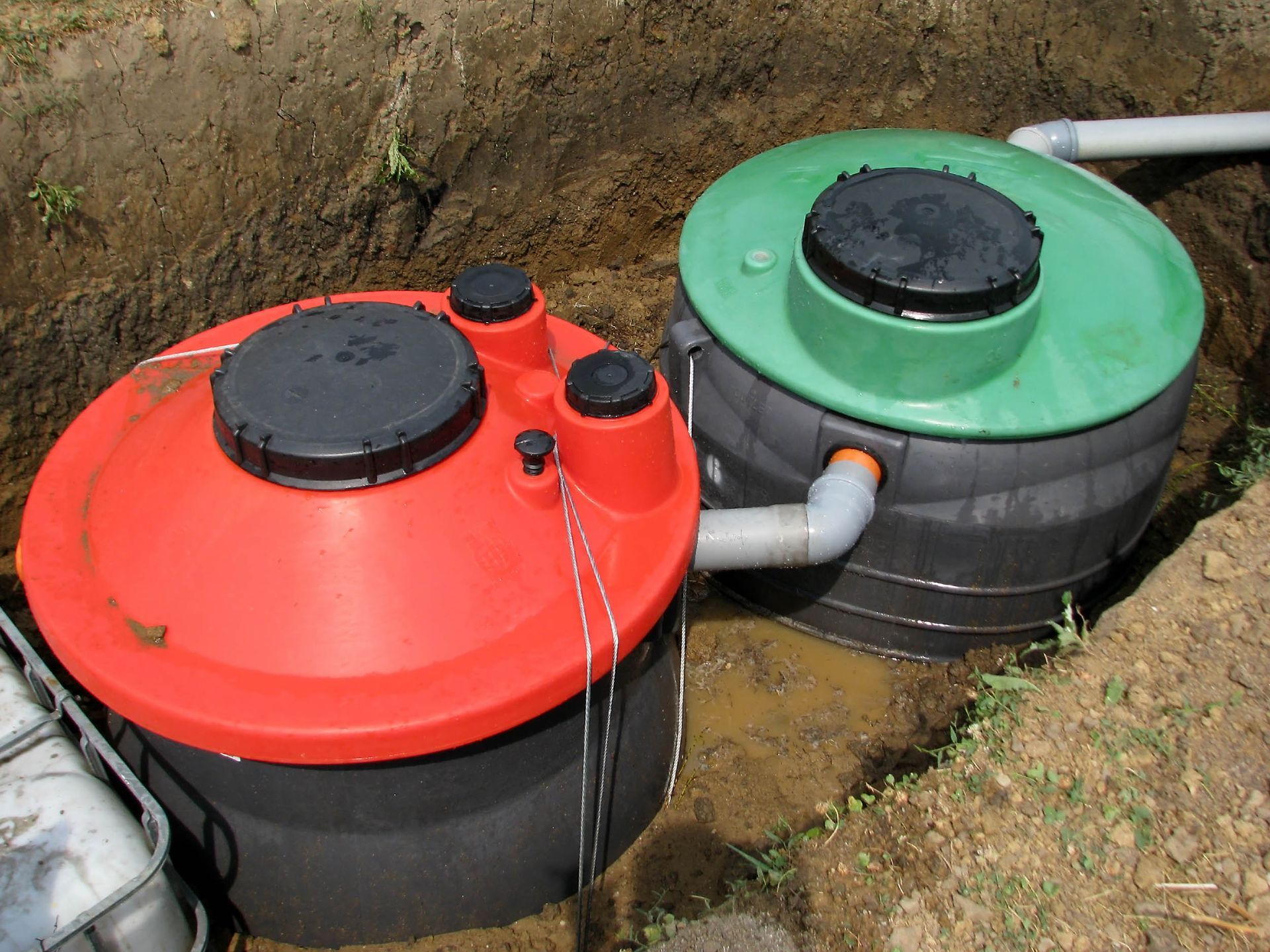
After the design has been approved and necessary permits have been obtained, the physical installation process begins with excavation and site preparation. This stage involves creating the space needed for the septic tank, drain field, and connecting pipes. Professional contractors use specialized equipment to excavate the site while maintaining precise measurements and elevations.
Proper grading is essential during excavation because wastewater relies on gravity to move through many septic systems. Even small errors in slope or positioning can affect system performance. Installers carefully prepare the site to ensure all components are placed according to the approved design specifications.
Site preparation also includes protecting nearby landscaping, managing soil displacement, and controlling erosion. Contractors often take steps to preserve the surrounding property while ensuring the installation area remains stable and secure. Attention to detail during this phase contributes significantly to the long-term success of septic tank installations.
Installing and Connecting Components
With excavation complete, the installation team can begin placing the septic tank and connecting system components. The tank is carefully lowered into the prepared excavation and positioned according to design requirements. Installers verify that the tank is level and properly supported before moving forward.
Next, plumbing lines are connected between the home and the septic tank. These connections must be secure and correctly aligned to ensure wastewater flows efficiently through the system. Additional components, such as distribution boxes and filters, may also be installed depending on the system design.
The drain field is then constructed using trenches and perforated pipes that distribute treated wastewater into the soil. This portion of the system plays a vital role in the overall treatment process. Professional septic tank installations emphasize precision during every stage because even minor installation errors can affect performance, efficiency, and lifespan.
Inspecting and Verifying Compliance
Before a newly installed septic system can be placed into service, it must undergo inspections and receive final approval. Local regulations often require inspections to ensure the installation complies with applicable codes, environmental standards, and public health requirements.
Inspectors evaluate various aspects of the system, including tank placement, pipe connections, drain field construction, and overall design compliance. Any issues identified during the inspection process must be corrected before approval is granted. While this step may seem routine, it serves an important purpose by protecting homeowners and the surrounding environment.
Compliance verification provides confidence that the system was installed correctly and is ready for long-term use. Proper inspections help prevent future complications and ensure septic tank installations meet all necessary standards. This final review represents an important milestone in the installation process.
Maintaining and Improving Performance
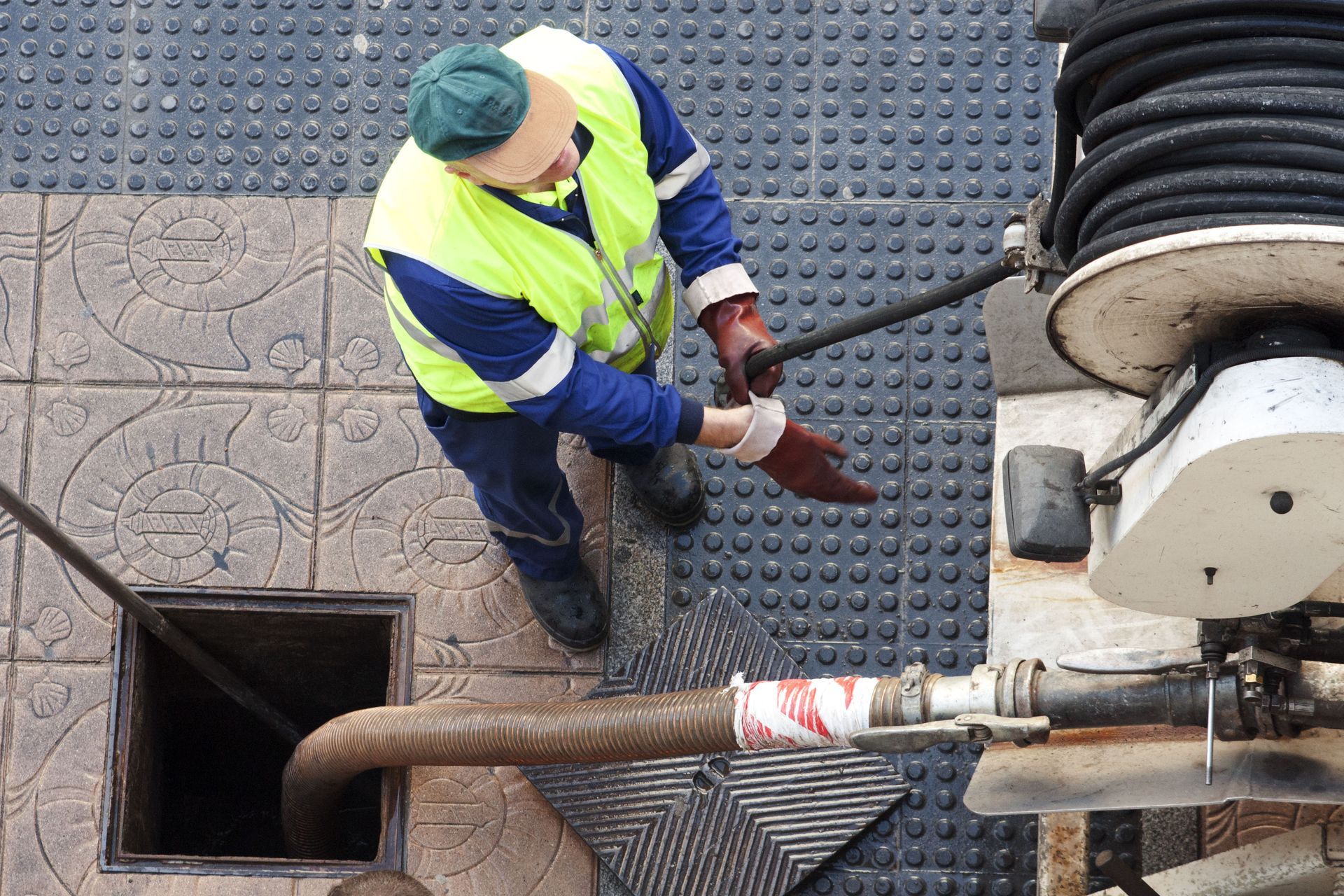
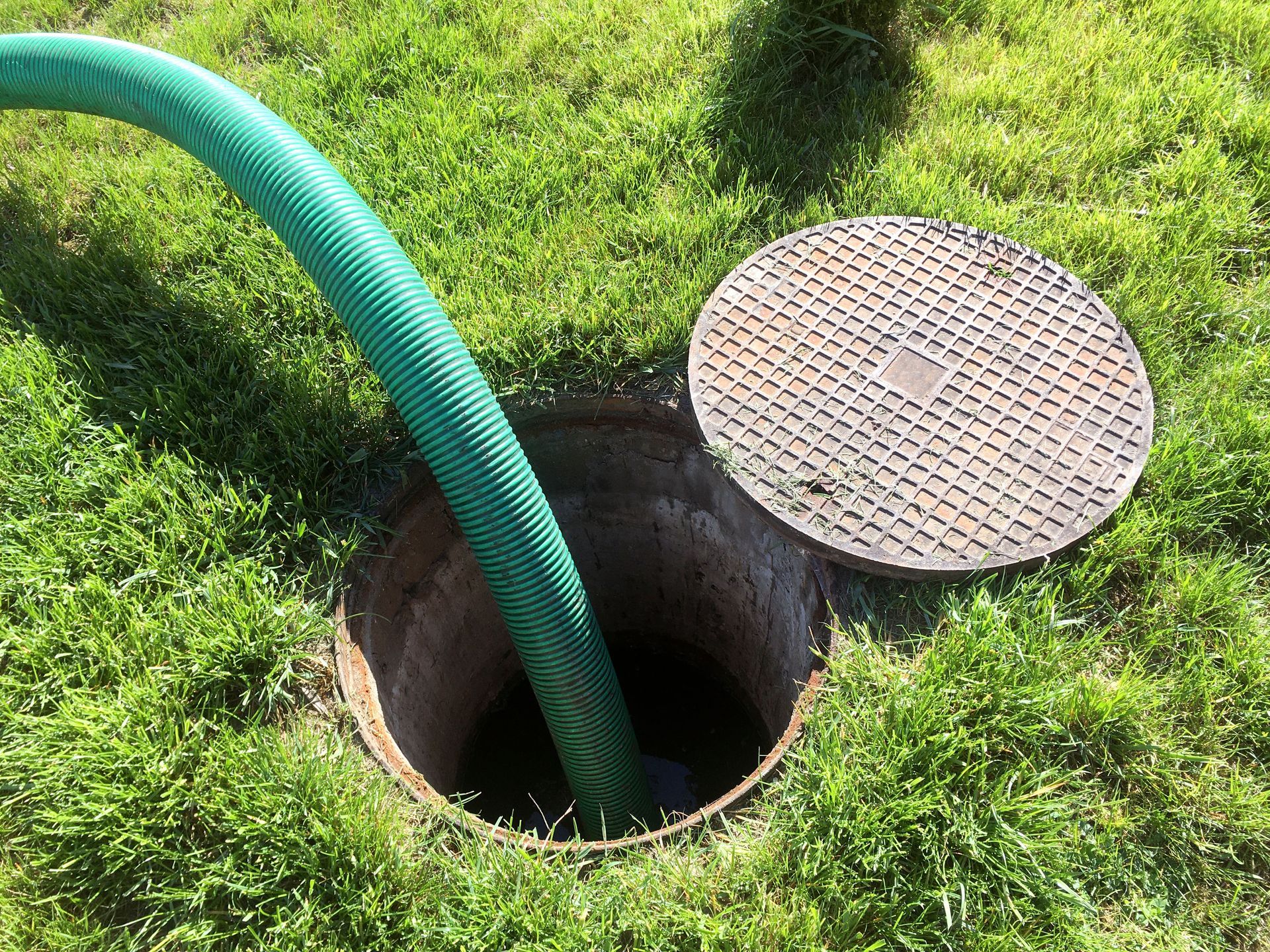
Once a septic system is operational, ongoing maintenance becomes essential for preserving its performance and longevity. Even the highest-quality installation requires routine care to continue functioning effectively. Regular pumping, inspections, and responsible water usage all play important roles in system health.
Homeowners should pay attention to warning signs such as slow drains, unpleasant odors, standing water, or unusually lush grass near the drain field. Addressing potential concerns early can prevent more extensive damage and reduce repair costs. Preventive maintenance is often far more affordable than major system repairs or replacement.
The importance of septic systems is evident across the country. According to the World Resources Institute (WRI), approximately 60 million Americans rely on septic systems to manage household wastewater. This widespread use demonstrates the reliability and practicality of these systems when they are properly installed and maintained. Consistent care helps septic tank installations continue operating efficiently while supporting environmental protection and public health.
Septic systems play a vital role in maintaining safe, efficient, and environmentally responsible wastewater management for millions of homeowners. From evaluating site conditions and selecting the right system design to excavation, installation, inspections, and ongoing maintenance, every step contributes to long-term performance and reliability. Understanding how tank installations are completed helps homeowners appreciate the expertise required to ensure successful results.
Beyond their practical function, septic systems can improve property value, support sustainability efforts, and provide dependable service for decades when properly maintained. By investing in quality workmanship and proactive care, homeowners can enjoy the benefits of a reliable wastewater management solution that protects both their property and the surrounding environment. For expert guidance and dependable service with your septic tank installations, contact Joey Ridgle Septic & Sanitation, LLC today.